The Gut Is the Engine of Performance
Every aspect of athletic ability and production begins in the digestive system.
The gut controls:
- Nutrient absorption
- Electrolyte balance
- Hydration status
- Immune signaling
- Energy availability
When the gut is stable and balanced, animals convert feed efficiently and maintain consistent output. When microbial stress increases, performance often declines before obvious illness appears.
Subclinical digestive stress may show up as:
- Reduced stamina
- Slight feed refusal
- Loose or inconsistent manure
- Dull hair coat
- Slower recovery after exertion
Clean water reduces that hidden stress.
Why Water Quality Directly Impacts Gut Health
Animals drink more water daily than they consume feed by weight. If water contains elevated microbial loads, biofilm fragments, algae byproducts, or organic contamination, the digestive system must constantly respond.
Biofilm: The Invisible Performance Drain
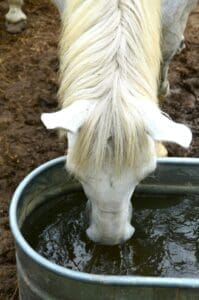
Biofilm forms inside:
- Water troughs
- Buckets
- Plumbing lines
- Automatic waterers
It protects bacteria and allows them to continuously shed into drinking water.
Even when water looks clear, it may contain microbial populations that:
- Challenge the immune system
- Alter gut flora
- Reduce digestive efficiency
Reducing microbial pressure allows the gut microbiome to remain balanced and focused on digestion rather than defense.
Hydration: The Foundation of Output
Performance animals rely heavily on hydration for:
- Muscle contraction
- Oxygen delivery
- Temperature regulation
- Joint lubrication
- Electrolyte balance
If water tastes off, smells different, or contains organic buildup, intake can subtly decrease.
Even mild dehydration can affect:
- Speed and acceleration
- Endurance
- Mental focus
- Recovery time
Clean, palatable water encourages optimal intake.
Performance Horses: Barrel Racing, Rodeo & Show Circuits
Travel adds another layer of stress.
Travel Stress Alters the Gut
Trailering and competition:
- Increase cortisol
- Slow gut motility
- Shift microbial balance
- Suppress immune function
When a horse drinks from contaminated event water sources — shared hoses, questionable wash racks, communal tanks — the gut faces added strain during its most vulnerable window.
This is when performance issues appear:
- Sluggish turns
- Reduced drive
- Inconsistent appetite
- Increased risk of colic
Maintaining clean water at events helps protect the gut from unnecessary microbial assault.
Auction Purchases & New Animal Transitions

Animals brought home from auctions or other farms experience sudden environmental change.
New Animal may face:
- New feed
- New pathogens
- New social stress
- New water microbial profiles
If the home farm’s water system contains established biofilm, the new arrival’s immune system must respond immediately.
Lowering microbial load before introducing new livestock:
- Reduces gut shock
- Supports smoother adaptation
- Improves early feed intake
- Protects overall performance trajectory
- A strong start matters.
Small Farm Reality: The Cumulative Effect
On small farms, subtle performance losses often go unnoticed because they develop gradually.

Examples include:
- Slightly slower weight gain
- Lower milk consistency
- Reduced bloom in show animals
- Minor digestive irregularities
These are often attributed to feed or weather — when water quality may be the underlying variable.
Because water is constant, its impact is constant.
Clean Water as a Competitive Edge
For competitive riders and serious livestock managers, margins matter.
Improved water quality supports:
- Stable manure consistency
- Better hydration
- Stronger immune resilience
- More predictable energy output
- Faster recovery after exertion
Clean water does not replace good feed, training, or veterinary care — but it enhances all of them.
When microbial stress decreases, the animal’s system can focus on performance rather than defense.
Practical Steps to Improve Water Quality
Daily
- Remove debris from buckets and troughs
- Refill with fresh water
Weekly
- Scrub tank surfaces
- Inspect for algae buildup
Periodically
- Disrupt biofilm
- Sanitize plumbing systems
- Treat water sources before introducing new animals
Traveling owners should:
- Bring dedicated buckets
- Avoid communal hoses when possible
- Use controlled water treatment practices at events
Consistency is key. Using Klean Water Tablets help keep tanks clean and water of consistent quality.
A Summary: Performance Begins with What They Drink
Every stride, every turn, every pound gained, every gallon produced begins with hydration and digestion. Clean water reduces gut stress, supports microbial balance, improves intake, and enhances resilience under travel and competitive pressure. For small farms and performance-driven owners alike, water quality is not just sanitation — it is strategy.
Frequently Asked Questions
1. Can water quality really affect athletic performance in horses?
Yes. Hydration status and gut stability directly influence stamina, muscle efficiency, and recovery. Poor water quality can reduce intake and increase digestive stress.
2. How does biofilm affect animals if they don’t appear sick?
Biofilm continuously sheds microbes into water. This may not cause acute illness but can create low-level immune stress that affects feed efficiency and energy output.
3. Should water systems be treated before bringing home auction animals?
Yes. Reducing microbial load before new arrivals lowers immune stress and supports smoother digestive adaptation.