Category SEO Growth Posts

Common Livestock Water Contaminants: What Every Producer Needs to Know
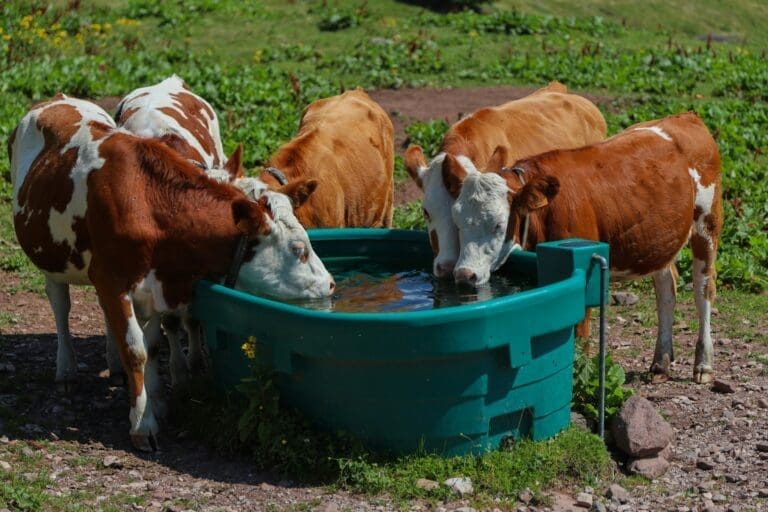
young calves drinking from a trough

Water quality is one of the most overlooked factors in livestock health, yet it directly impacts growth, reproduction, and disease resistance. From harmful bacteria and parasites to chemical runoff and algae blooms, contaminated water sources can quietly undermine herd performance. Understanding these risks is the first step toward protecting animal health and maintaining consistent production outcomes.

The Best Ways to Prevent Hoof Disease in Cattle & Horses

A rider checks her horse's hoofs

The most effective ways to prevent hoof disease in cattle and horses include keeping hooves clean and dry, maintaining sanitary bedding and walking areas, performing regular hoof inspections and trimming, and using preventative antiseptic hoof soaks. Preventative soaks made with Klean Hoof tablets create a powerful yet gentle antimicrobial solution that helps neutralize harmful microbes before they can cause infection or hoof deterioration.

How Clean Water Improves Animal Gut Health & Performance

Barrel Racing

Clean water is one of the most powerful — and most underestimated — performance tools in animal management. Because water is the most consumed nutrient in any horse or livestock diet, its microbial quality directly influences gut balance, hydration efficiency, immune strength, and physical output.

For small farms, traveling horse owners, barrel racers, rodeo competitors, State Fair exhibitors, and auction buyers, water quality is not just about avoiding disease — it is about protecting performance.

What Is Animal Biosecurity?

Animal biosecurity is the set of practices used to prevent disease introduction and spread among livestock and horses. For small farms, traveling competitors, and auction buyers, it includes water sanitation, quarantine procedures, and contamination control to protect animal health, performance, and investment value.